AI in Digital Marketing

AI in digital marketing

Introduction

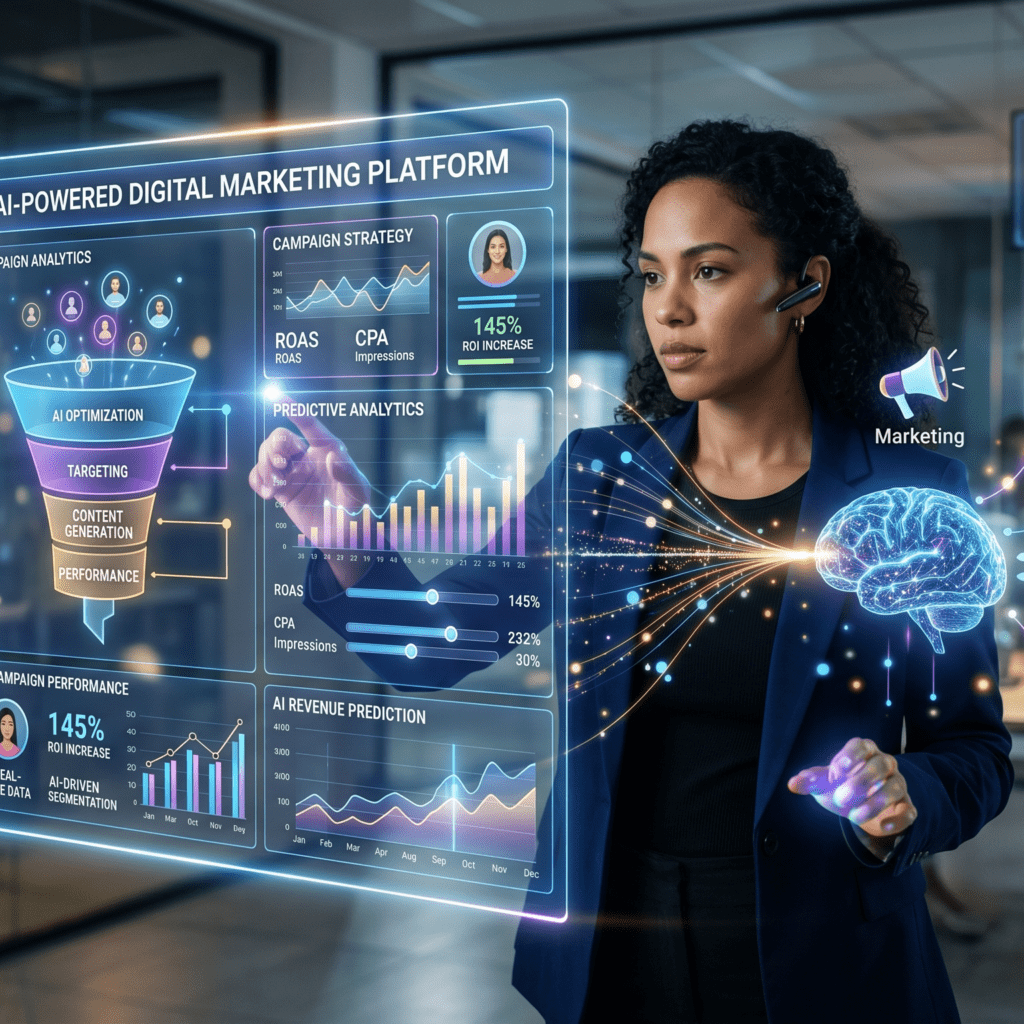
Artificial Intelligence, or AI, is changing digital marketing in many ways. Today, businesses use AI to save time, improve customer experience, and increase sales. AI helps marketers understand customer behavior and create better marketing campaigns.

Digital marketing has become more competitive. Companies now need smart tools to stay ahead. AI gives businesses the power to work faster and make better decisions.

In this article, you will learn what AI in digital marketing means, how it works, its benefits, and how businesses use it today.


What is AI in Digital Marketing?

AI in digital marketing means using smart computer systems and software to improve marketing tasks. These systems can study data, learn patterns, and make decisions with little human help.

AI tools can:

  • Analyze customer data
  • Predict customer behavior
  • Create personalized ads
  • Improve SEO strategies
  • Automate customer support
  • Increase marketing performance

AI helps businesses reach the right audience at the right time.


How AI Works in Digital Marketing

AI works by collecting and analyzing large amounts of data. It studies customer actions such as:

  • Website visits
  • Search history
  • Purchase behavior
  • Social media activity
  • Email engagement

After analyzing the data, AI finds patterns and gives useful insights. Marketers then use these insights to improve campaigns and target customers more effectively.

Machine learning is an important part of AI. It allows systems to learn from data and improve over time.


Benefits of AI in Digital Marketing

1. Better Customer Experience

AI helps businesses understand customer needs. Companies can show personalized products, emails, and ads based on customer interests.

Customers feel more connected to brands when they receive relevant content.


2. Faster Marketing Process

AI automates many marketing tasks. Businesses save time and reduce manual work.

AI can automate:

  • Email marketing
  • Social media posting
  • Customer support
  • Ad optimization
  • Data analysis

This allows marketers to focus on strategy and creativity.


3. Improved SEO Performance

AI helps marketers improve search engine rankings. AI SEO tools can:

  • Find keywords
  • Analyze competitors
  • Suggest content ideas
  • Optimize website content
  • Improve readability

AI also helps businesses create content that matches user intent.


4. Better Advertising Results

AI improves online advertising by targeting the right audience. Platforms use AI to show ads to users who are more likely to buy products.

AI also helps businesses:

  • Reduce ad costs
  • Increase conversions
  • Improve click-through rates
  • Optimize ad campaigns in real time

This increases return on investment.


5. Smart Data Analysis

Digital marketing creates huge amounts of data. AI can process data quickly and accurately.

Businesses use AI to:

  • Track customer behavior
  • Measure campaign performance
  • Predict market trends
  • Understand customer preferences

This helps companies make better decisions.


AI Tools Used in Digital Marketing

Many businesses use AI-powered tools for marketing. These tools improve efficiency and performance.

Popular AI marketing tools include:

  • Chatbots
  • AI content generators
  • SEO tools
  • Email automation software
  • Social media management tools
  • Predictive analytics platforms

These tools help businesses grow faster.


AI in SEO

AI plays a major role in SEO. Search engines now use AI to understand user intent and rank websites.

AI helps SEO experts:

  • Research keywords
  • Optimize articles
  • Improve meta descriptions
  • Analyze backlinks
  • Create content strategies

AI also improves voice search optimization. More people now use voice assistants to search online.

Businesses that use AI in SEO can improve their website traffic and rankings.


AI in Content Marketing

Content marketing is an important part of digital marketing. AI helps businesses create high-quality content faster.

AI tools can:

  • Generate article ideas
  • Write content drafts
  • Improve grammar
  • Check readability
  • Optimize content for SEO

AI also helps marketers understand which content performs best.

However, businesses should still add human creativity and editing. Human writers create emotional and engaging content.

To learn more about AI , digital marketing, social media marketing and more visit our website www.verduramarketing.com


AI in Social Media Marketing

AI helps businesses manage social media more effectively.

AI tools can:

  • Schedule posts
  • Analyze audience engagement
  • Recommend hashtags
  • Track trends
  • Generate captions

AI also helps businesses understand customer sentiment. Companies can learn how people feel about their products and services.

This helps brands improve their online image.


AI in Email Marketing

Email marketing becomes more effective with AI.

AI helps marketers:

  • Personalize email content
  • Predict customer interests
  • Improve subject lines
  • Send emails at the best time
  • Increase open rates

Personalized emails often get better engagement and higher conversions.


AI Chatbots in Digital Marketing

Chatbots are one of the most popular AI tools. Businesses use chatbots to provide instant customer support.

AI chatbots can:

  • Answer customer questions
  • Recommend products
  • Solve common issues
  • Collect customer information
  • Work 24/7

Chatbots improve customer satisfaction and reduce support costs.


Challenges of AI in Digital Marketing

AI offers many benefits, but it also has some challenges.

1. High Initial Cost

Some AI tools can be expensive for small businesses.


2. Data Privacy Concerns

Businesses must protect customer data and follow privacy laws.


3. Lack of Human Creativity

AI cannot fully replace human creativity and emotional understanding.


4. Learning Curve

Some businesses need training to use AI tools effectively.


Future of AI in Digital Marketing

The future of AI in digital marketing looks very strong. AI technology continues to improve every year.

In the future, AI may:

  • Create smarter marketing campaigns
  • Improve voice search
  • Increase personalization
  • Predict customer behavior more accurately
  • Automate more business tasks

Businesses that adopt AI early may gain a strong competitive advantage.


Conclusion

AI has transformed digital marketing. It helps businesses improve customer experience, automate tasks, and increase marketing performance.

AI tools make SEO, content marketing, social media marketing, and advertising more effective. Companies now use AI to understand customers and make smarter decisions.

Although AI has some challenges, its benefits are much greater. Businesses that use AI correctly can grow faster and stay ahead of competitors.

AI is no longer the future of digital marketing. It is already an important part of modern marketing strategies.
jobs in digital marketing

Jobs in Digital Marketing

jobs in digital marketing

Digital marketing is one of the fastest-growing career fields in the world. Today, almost every business uses the internet to promote products and services. Companies use websites, social media, emails, videos, and online ads to reach customers. Because of this, the demand for digital marketing professionals is increasing every year.

Digital marketing offers many job opportunities for students, freshers, freelancers, and experienced professionals. People can work in companies, agencies, startups, or even from home. It is a good career choice for people who enjoy creativity, communication, and technology.

What is Digital Marketing?

Digital marketing means promoting products or services through online platforms. Businesses use digital marketing to attract customers, increase sales, and grow their brand.

Digital marketing includes:

Different digital marketing jobs focus on different tasks and skills.

Why Digital Marketing Jobs are Popular

Digital marketing jobs are popular because many businesses now depend on online marketing. People spend a lot of time on the internet every day. They search on Google, watch YouTube videos, and use social media platforms like Instagram and Facebook.

Businesses want to reach these users online. Because of this, they hire digital marketing professionals to manage their online presence.

Here are some reasons why digital marketing jobs are growing:

  • High demand in many industries
  • Good salary opportunities
  • Work-from-home options
  • Freelancing opportunities
  • Creative work environment
  • Fast career growth

Digital marketing also allows people to start working with basic skills and improve over time.

SEO Specialist

An SEO Specialist helps websites rank higher on Google and other search engines.

The main job of an SEO specialist is to increase website traffic through search results.

An SEO specialist works on:

  • Keyword research
  • Website optimization
  • Content improvement
  • Link building
  • Technical SEO

For example, if a company sells shoes, the SEO specialist helps the website appear when someone searches for “best sports shoes.”

SEO is one of the most important jobs in digital marketing because businesses want free traffic from search engines.

Social Media Manager

A Social Media Manager handles a company’s social media accounts.

They create and post content on platforms like:

  • Instagram
  • Facebook
  • LinkedIn
  • X
  • YouTube

Their main goal is to increase followers, engagement, and brand awareness.

A social media manager also replies to comments, creates marketing campaigns, and tracks social media performance.

People who enjoy creativity and communication often like this job.

Content Writer

A Content Writer creates articles, blog posts, website content, and marketing copy.

Businesses use content to educate customers and improve SEO.

A content writer should:

  • Write in simple language
  • Create useful content
  • Understand keywords
  • Write error-free articles

Good content helps businesses attract more visitors and build trust with customers.

Content writing is a great career option for people who enjoy writing and research.

PPC Specialist

PPC stands for Pay-Per-Click advertising.

A PPC Specialist creates online ads on platforms like Google Ads and Facebook Ads.

Businesses pay money when users click on the ad.

The work of a PPC specialist includes:

  • Creating ad campaigns
  • Choosing keywords
  • Managing advertising budgets
  • Improving ad performance
  • Tracking conversions

PPC helps businesses get quick traffic and sales.

Email Marketing Specialist

An Email Marketing Specialist sends emails to customers for promotions and updates.

They create email campaigns to:

  • Promote products
  • Share discounts
  • Increase sales
  • Build customer relationships

This job requires good writing and communication skills.

Simple and attractive emails usually get better results.

Graphic Designer

Graphic designers create visual content for digital marketing campaigns.

They design:

  • Social media posts
  • Website banners
  • Advertisements
  • Logos
  • Infographics

Graphic design is important because attractive visuals help businesses gain attention online.

People who enjoy creativity and design often choose this career.

Video Editor

Video content is becoming more popular every year. Many businesses use videos for marketing.

A Video Editor creates and edits videos for:

  • YouTube
  • Instagram Reels
  • Advertisements
  • Product promotions

Good video editing skills can help people earn money through freelancing and full-time jobs.

Digital Marketing Manager

A Digital Marketing Manager handles the complete digital marketing strategy of a company.

They manage different teams like:

  • SEO team
  • Content team
  • Social media team
  • Advertising team

Their main goal is to improve online growth and increase sales.

This role usually requires experience in different areas of digital marketing.

Freelancing in Digital Marketing

Many people work as freelance digital marketers. Freelancers work independently and offer services to clients.

Freelancers can work in:

  • SEO
  • Content writing
  • Social media marketing
  • Graphic design
  • Video editing

Freelancing allows people to work from home and choose their own working hours.

Many students and beginners start freelancing to gain experience.

Skills Needed for Digital Marketing Jobs

Digital marketing requires both creative and technical skills.

Important skills include:

  • Communication skills
  • Writing skills
  • Creativity
  • Basic computer knowledge
  • Social media knowledge
  • Problem-solving skills
  • Analytical thinking

People can learn digital marketing through online courses, YouTube videos, blogs, and practice.

Salary in Digital Marketing

Digital marketing salaries depend on skills, experience, and job role.

Freshers usually start with entry-level salaries. With experience, professionals can earn much higher salaries.

Freelancers and experts can also earn good income by working with multiple clients.

Digital marketing offers strong career growth because businesses continue to invest in online marketing.

Future of Digital Marketing Jobs

The future of digital marketing looks very bright. More businesses are moving online every year. New technologies like artificial intelligence and automation are also creating new opportunities.

Video marketing, influencer marketing, and content creation are growing very fast.

People with digital marketing skills will continue to stay in demand in the future.

Conclusion

Digital marketing offers many career opportunities for people with different skills and interests. Jobs like SEO specialist, social media manager, content writer, PPC specialist, graphic designer, and video editor are becoming more popular every year.

Digital marketing is a good career choice because it offers flexibility, creativity, and growth opportunities. People can work in companies, agencies, or as freelancers. With the right skills and regular learning, anyone can build a successful career in digital marketing.

For more information related to Digital Marketing trends, carriers, news, and more visit

https://verduramarketing.com/blog

The Fundamentals of Digital Marketing

the fundamentals of digital marketing

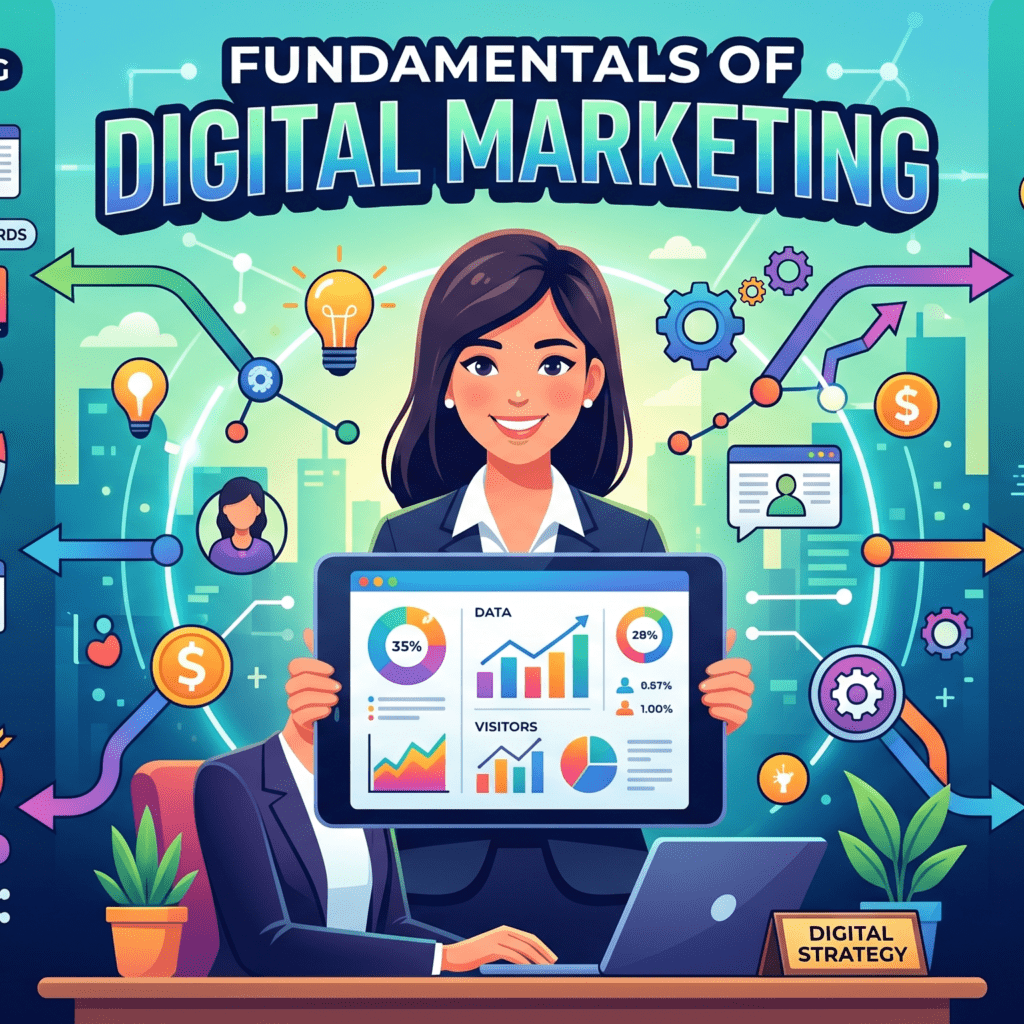
Digital marketing means promoting products or services on the internet. Today, most people use the internet every day. They search on Google, watch videos, use social media, and shop online. Because of this, businesses use digital marketing to reach more people and grow faster.

Digital marketing helps companies connect with customers in a simple and affordable way. Small businesses and large companies both use digital marketing to increase sales and build their brand.

What is Digital Marketing?

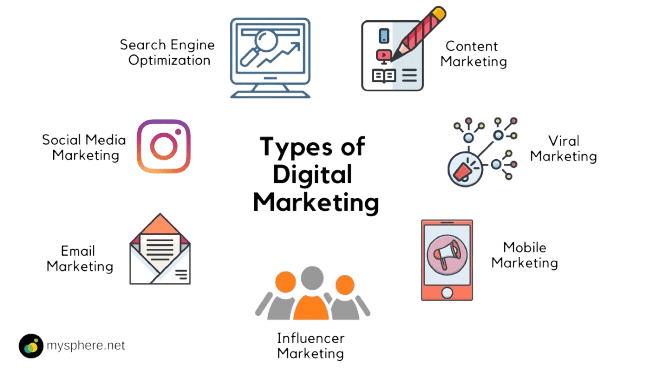
Digital marketing is a type of marketing that uses digital platforms and online channels. These channels include:

Businesses use digital marketing to attract people, promote products, and increase sales.

Unlike traditional marketing, digital marketing allows businesses to reach people all around the world quickly.

Why Digital Marketing is Important

Digital marketing is important because many people spend a lot of time online. Before buying something, people often search on Google or check social media.

Here are some benefits of digital marketing:

  • It helps businesses reach more people
  • It costs less than traditional marketing
  • It helps increase sales
  • It builds brand awareness
  • It gives quick results
  • It helps businesses connect with customers

Digital marketing also helps small businesses compete with bigger companies.

Search Engine Optimization (SEO)

Search Engine Optimization, or SEO, helps websites rank higher on Google and other search engines.

For example, when someone searches for “best mobile phone,” Google shows many websites. SEO helps a website appear higher in those search results.

SEO includes:

  • Using the right keywords
  • Writing useful content
  • Improving website speed
  • Making websites mobile-friendly
  • Adding good titles and images

Good SEO helps businesses get free traffic from search engines.

Content Marketing

Content marketing means creating useful and valuable content for people.

Businesses create content like:

  • Blog posts
  • Videos
  • Infographics
  • E-books
  • Podcasts

Good content helps people solve problems and learn something new. It also helps businesses build trust with customers.

For example, a fitness company may write articles about healthy eating and exercise tips.

Social Media Marketing

Social media marketing means promoting products or services on social media platforms.

Popular social media platforms include:

  • Instagram
  • Facebook
  • LinkedIn
  • YouTube
  • X

Businesses use social media to share updates, connect with customers, and promote products.

Photos, reels, and short videos usually get more attention on social media.

Email Marketing

Email marketing means sending emails to customers to share updates, offers, or useful information.

Businesses use email marketing to:

  • Promote products
  • Share discounts
  • Send newsletters
  • Build customer relationships

Email marketing works well because businesses can contact customers directly.

Simple and clear emails usually perform better.

Pay-Per-Click Advertising (PPC)

Pay-Per-Click advertising, or PPC, is a type of online advertising where businesses pay only when someone clicks on their ad.

Google Ads is one of the most popular PPC platforms.

PPC helps businesses:

  • Get quick traffic
  • Reach the right audience
  • Increase sales
  • Promote products faster

Businesses often use PPC for fast results.

Affiliate Marketing

Affiliate marketing allows people to earn money by promoting products online.

A business gives a special link to an affiliate marketer. When someone buys through that link, the affiliate earns a commission.

Many bloggers, YouTubers, and influencers use affiliate marketing.

Influencer Marketing

Influencer marketing means working with social media influencers to promote products.

Influencers have many followers who trust their opinions. Businesses partner with influencers to reach more people.

For example, a skincare company may ask a beauty influencer to review its products.

Mobile Marketing

Mobile marketing focuses on people who use smartphones and tablets.

Businesses use mobile marketing through:

  • Mobile-friendly websites
  • SMS messages
  • Mobile apps
  • Push notifications

Today, many people browse the internet on their phones. Because of this, mobile marketing is very important.

Analytics and Tracking

Analytics helps businesses understand how their marketing is performing.

Businesses use tools like Google Analytics to track:

  • Website visitors
  • User behavior
  • Traffic sources
  • Sales and conversions

Analytics helps businesses improve their marketing strategies.

How to Create a Digital Marketing Strategy

A digital marketing strategy helps businesses achieve their goals.

1. Set Clear Goals

Businesses should decide what they want to achieve. For example:

  • More website traffic
  • More sales
  • More followers

2. Know Your Audience

Businesses should understand their customers and their interests.

3. Choose the Right Platforms

Businesses should focus on platforms where their audience spends time.

4. Create Good Content

Useful and simple content attracts more people.

5. Track Results

Businesses should measure performance and improve their strategy regularly.

Future of Digital Marketing

Digital marketing continues to grow every year. New technologies like artificial intelligence and automation are changing online marketing.

Video content and short-form content are becoming more popular. Businesses that follow new trends can stay ahead of competitors.

Conclusion

Digital marketing is an important part of modern business. It helps businesses reach more people, increase sales, and grow online.

SEO, content marketing, social media marketing, email marketing, and PPC are some of the main parts of digital marketing. Businesses that understand these basics can build a strong online presence and achieve long-term success.

For more information related to Digital marketing, SEO, Performance marketing, Website development and more, visit https://verduramarketing.com/blog/

What is SEO and How Does Its Works

What is SEO and How Does It Work

What is SEO and How Does Its Works

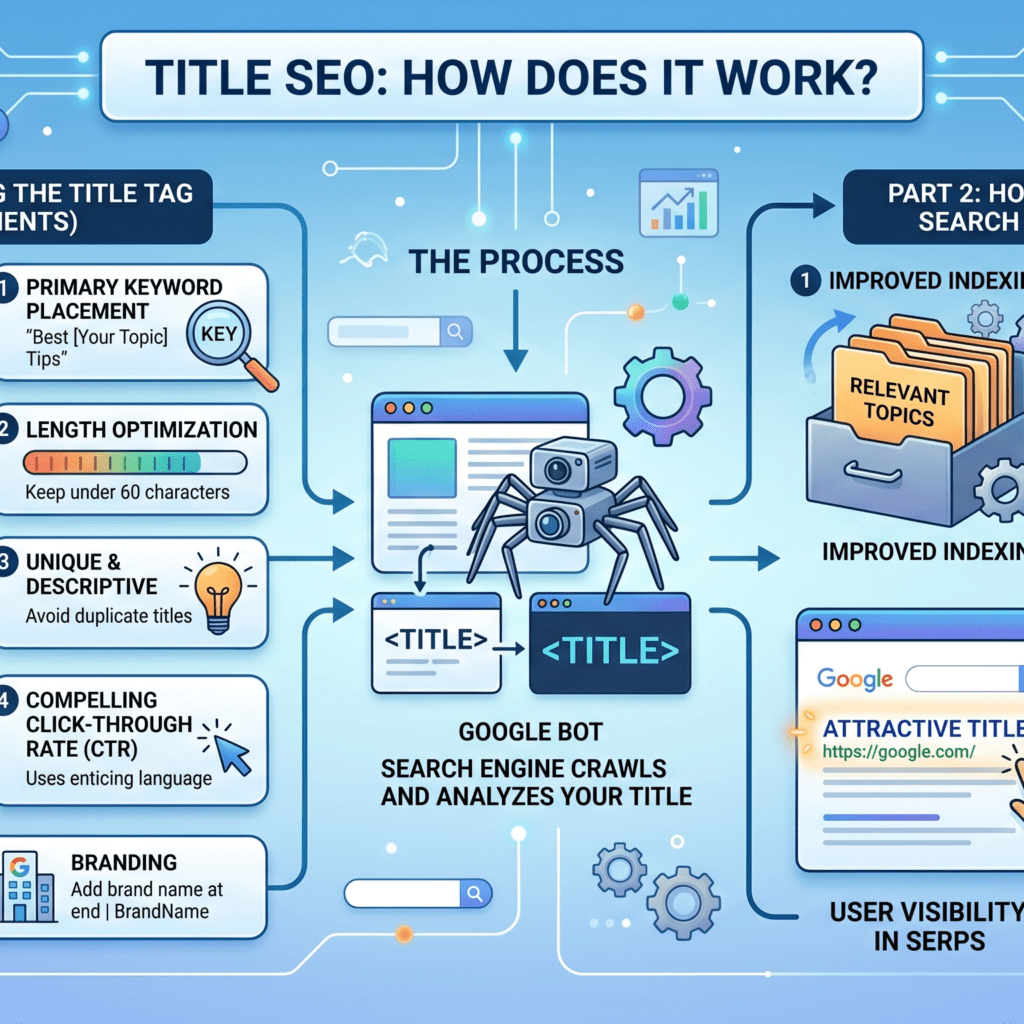
SEO stands for Search Engine Optimization. It is a process that helps websites rank higher on search engines like Google and Bing. SEO helps people find a website more easily online.

Today, millions of websites compete for attention. Most users click on the first few search results only. Because of this, businesses and website owners use SEO to improve their rankings.

Good SEO brings more visitors to a website. It also helps businesses grow online without spending money on ads all the time.

Why SEO is Important

SEO helps websites get free traffic from search engines. People call this organic traffic.

Here are some important benefits of SEO:

  • Increases website traffic
  • Improves online visibility
  • Builds trust with users
  • Helps businesses get more customers
  • Improves user experience
  • Supports long-term growth

A website with strong SEO can attract visitors every day.

How Search Engines Work

Search engines follow three main steps to show results.

1. Crawling

Search engines use bots to scan websites on the internet. These bots read pages and collect information.

When you publish a new page, search engine bots try to find it.

2. Indexing

After scanning a page, search engines store the information in a database. This process is called indexing.

If search engines do not index a page, users cannot find it in search results.

3. Ranking

When someone searches for something, the search engine checks its database. Then it shows the most useful pages first.

Search engines look at many factors before ranking a website. These factors include:

  • Content quality
  • Keywords
  • Website speed
  • Mobile friendliness
  • Backlinks
  • User experience

Websites that perform well in these areas usually rank higher.

Types of SEO

SEO has three main types.

1. On-Page SEO

On-page SEO focuses on the content and structure of a website.

It includes:

  • Using the right keywords
  • Writing useful content
  • Creating clear headings
  • Adding internal links
  • Optimizing images
  • Improving readability

Good on-page SEO helps search engines understand the content better.

2. Off-Page SEO

Off-page SEO focuses on activities outside the website.

The main goal is to build trust and authority.

Backlinks play a big role in off-page SEO. A backlink is a link from another website to your website.

Search engines see backlinks as a sign of trust.

Some common off-page SEO methods include:

  • Guest posting
  • Social media sharing
  • Brand mentions
  • Influencer marketing

Strong backlinks can improve rankings.

3. Technical SEO

Technical SEO improves the technical side of a website.

It helps search engines crawl and index the site easily.

Technical SEO includes:

  • Improving website speed
  • Making the website mobile-friendly
  • Fixing broken links
  • Using HTTPS security
  • Creating XML sitemaps

A fast and smooth website gives users a better experience.

Importance of Keywords

Keywords are the words people type into search engines.

For example, someone may search for “best SEO tips” or “SEO for beginners.”

Websites use these keywords in their content to reach the right audience.

There are different types of keywords:

  • Short keywords: “SEO”
  • Long keywords: “best SEO tips for small businesses”
  • Local keywords: “SEO company in Gurgaon”

Using the right keywords helps websites rank for relevant searches.

Why Content Matters in SEO

Content is one of the most important parts of SEO.

Search engines want to show useful and high-quality content to users.

Good content should:

  • Answer user questions
  • Use simple language
  • Include keywords naturally
  • Provide correct information
  • Stay easy to read

Blogs, articles, videos, and guides can all improve SEO.

Fresh and useful content also keeps visitors on the website longer.

User Experience and SEO

User experience affects SEO directly.

People leave websites quickly if pages load slowly or look confusing.

Search engines track user behavior. They prefer websites that give users a good experience.

Good user experience includes:

  • Fast loading speed
  • Simple design
  • Easy navigation
  • Mobile-friendly pages
  • Clear content

A user-friendly website can rank better in search results.

Benefits of SEO for Businesses

SEO helps businesses grow online in many ways.

Some major benefits include:

  1. More website visitors
  2. Better brand awareness
  3. Higher trust and credibility
  4. More leads and sales
  5. Lower marketing costs
  6. Long-term online growth

Businesses that invest in SEO can stay ahead of competitors.

Conclusion

SEO helps websites rank higher on search engines and attract more visitors. It improves website content, speed, structure, and authority.

Search engines use crawling, indexing, and ranking to show the best results to users. Websites that follow good SEO practices can gain better visibility and long-term success.

Today, SEO is an important part of digital marketing. Every business, blogger, and website owner can benefit from it.

To get more information or knowledge about DIGITAL MARKETING, PERFORMANCE MARKETING, SEO, and more, visit https://verduramarketing.com/